
Just Got Scammed? What to Do in the First 48 Hours
 ·
Published
·
Updated
·
16 min read
·
Published
·
Updated
·
16 min read
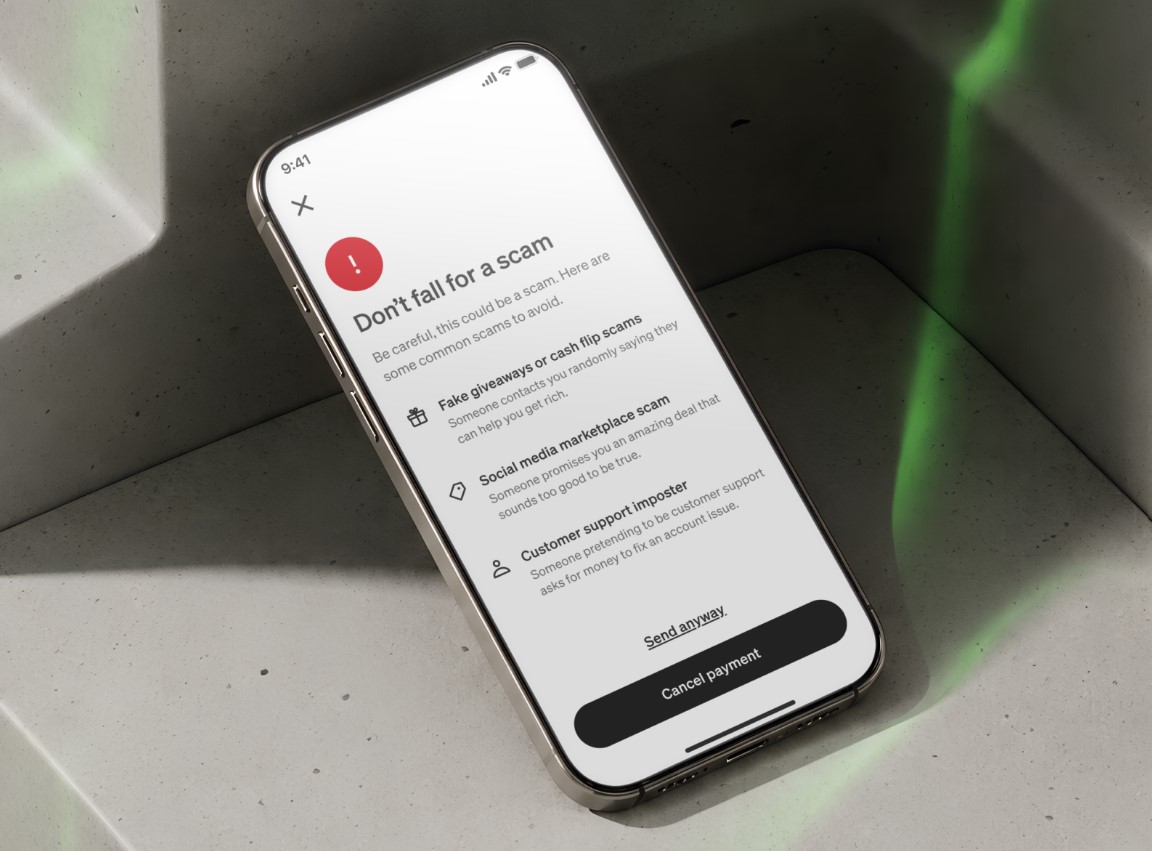
If money has just gone, stop reading and call your bank. The number is on the back of your card. Everything else on this page can wait an hour. That call cannot.
Whether you get money back in the United States comes down to two things: how fast you report it, and how you paid. A credit card gives you 60 days and strong legal rights. A debit card gives you two business days for the best protection. A wire transfer or payment app may give you only hours, and only if the money has not moved on. The table below shows where you stand, and the steps after it are in the order that gives you the best chance.
The deadlines, in one table
| How you paid | Deadline that matters | Realistic chance |
|---|---|---|
| Credit card | 60 days from the statement showing the charge | Strongest protection |
| Debit card (unauthorized charge) | 2 business days for the $50 limit | Good if fast, poor if slow |
| Bank wire | The first hours to 3 days | Sometimes recoverable if reported fast |
| Zelle, Venmo, Cash App | Immediately | Limited if you sent it yourself |
| Gift cards | Same day, call the card company | Small but real |
| Crypto or crypto ATM | Immediately, to the exchange or ATM operator | Very low |
| Cash sent by mail | Before it is delivered | Possible if caught in transit |
Step 1: Call your bank or card company now
If your banking app has a lock or freeze card switch, turn it on now, while you wait on hold. Then call using the number printed on your card or in the bank's official app, never a number from the scammer or a search result. Say clearly what happened, when, and how much. Then ask three questions:
- Can this payment be stopped or recalled?
- Can you freeze the card or account?
- Are you opening a fraud claim, and what is the reference number?
Write down the reference number, the date and the name of the person you spoke to. You will need all three if the claim stalls.
Follow up in writing
After the call, send the same details in writing through your bank's secure message in its app or website, not ordinary email, so you have a dated record. Copy the message below, replace the red highlighted parts, and keep only the paragraph that matches what happened.
For a credit card dispute, also send a written billing error notice to the address your card company lists for billing disputes, within 60 days of the statement. The FTC's what to do if you were scammed page links to sample letters.
Step 2: File with the FBI at IC3, especially for a wire
This is the step most people skip, and it is the one with a mechanism behind it that most people do not know exists.
When you file at ic3.gov, the FBI's Recovery Asset Team can start what it calls the Financial Fraud Kill Chain. It sends the details to the bank that received your money and asks it to freeze the account before the funds move on.
It works more often than people expect. In 2025, the team handled 3,900 incidents and froze about $679 million, a 58% success rate, according to the FBI's 2025 Internet Crime Report. The report describes a couple buying a home who wired more than $449,000 after an email faked their attorneys. Their attorneys could not get through to the receiving bank, but once an IC3 complaint was filed, the full amount was found still sitting in the account and was frozen.
It only works while the money is still there, which is why this belongs in the first hours, not next week.
Key takeaways
- Speed matters more than anything. Every payment method gets harder to reverse by the hour.
- Debit cards have the tightest deadline. Report an unauthorized charge within two business days to keep your loss capped at $50.
- Filing at ic3.gov can freeze a wire. The FBI froze about $679 million in 2025 this way.
- Payments you were tricked into sending are harder to recover, but report them as fraud anyway. Some banks still refund impersonation scams.
- Anyone who charges up front to recover your money is running a second scam.
Step 3: Know what your payment method gives you
Credit card: the strongest position
Under the Fair Credit Billing Act, you can dispute a charge that was unauthorized, or for something you never received. Send a written billing error notice within 60 days of the statement that shows the charge. The card company must acknowledge it within 30 days and resolve it within two billing cycles, and no more than 90 days. You do not have to pay the disputed amount, or interest on it, while it is investigated. Most card companies also have zero liability policies that go further than the law.
Debit card: the deadline people miss
Unauthorized debit card and bank transfers fall under a federal rule called Regulation E, and the timing is strict:
- Within 2 business days of learning about it: your loss is capped at $50.
- After 2 business days, within 60 days of the statement: your loss can rise to $500.
- More than 60 days after the statement: you may be responsible for later unauthorized transfers in full.
The two day window runs from when you learn about the problem, not from when the money left. Once you report, the bank generally has 10 business days to investigate, or up to 45 days if it gives you provisional credit in the meantime. If it decides there was no error, it must tell you in writing and let you see the documents it relied on.
One honest caution: these limits are for unauthorized transfers. If a scammer talked you into making the payment yourself, the bank may treat it as authorized. Report it anyway, and say plainly that you were deceived.
Authorized or unauthorized: why the bank may say no
| What happened | How banks usually treat it | What to say when you report |
|---|---|---|
| Someone used your card or account without you | Unauthorized, covered by federal limits | "I did not make or approve this payment." |
| You were tricked into sending the money yourself | Often treated as authorized, refund not guaranteed | "I was deceived by someone pretending to be [the bank, an agency, a company]." Ask whether the bank refunds impersonation scams. |
| You gave a scammer a code and they moved the money | Depends on the bank and the facts | Say exactly what you shared and when, and that you did not approve the transfer itself. |
Describe what happened in plain words and in this order. The details decide which rules apply, so do not let anyone summarise it for you as a "purchase dispute."
Zelle, Venmo and Cash App: the difficult category
These apps move money like cash between strangers. If you were tricked into sending the payment yourself, it is usually treated as authorized, which weakens your position.
Report it anyway, and use the word fraud, not "bad purchase." Banks on the Zelle network began refunding some imposter scams in late 2023, where the scammer pretended to be a bank, a government agency or Zelle itself. A federal lawsuit that pushed for wider refunds was dropped by the CFPB in March 2025, so results depend on your bank. Ask directly whether your case qualifies.
Wire transfers
There is no legal chargeback for wires. Recovery depends on speed and on the receiving bank freezing the funds, which is exactly what the IC3 step above is for. If you used Western Union or MoneyGram, call them straight away, say you were tricked, and ask for the transfer to be stopped.
Gift cards
It is worth trying even when it feels hopeless. Call the company that issued the card, not the store, and say a scammer took the card number and PIN. Some issuers can freeze an unspent balance. Keep the physical card and the receipt. The FTC's guide on what to do if you were scammed links to contact numbers for the major gift card companies.
Crypto and crypto ATMs
Contact the exchange or the ATM operator immediately, using the number on your receipt, say the transaction was fraudulent, and ask for it to be reversed. Recovery is rare, but some states have crypto ATM laws that may help, and a fast report gives investigators the best chance of tracing the wallet.
Cash sent by mail
If you mailed cash through the US Postal Service, call the Postal Inspection Service at 1-877-876-2455 right away. For a fee, it may be able to stop a domestic package that has not been delivered yet. For FedEx or UPS, call them as soon as possible.
Step 4: Save the evidence before it disappears
Do this early, because scam profiles, listings and messages are often deleted within hours.
- Screenshots of every message, listing, profile and payment screen
- Phone numbers, email addresses and website addresses used
- Transaction dates, times, amounts and confirmation numbers
- The name the caller gave and the company they claimed to be from
- Receipts, invoices, order confirmations and gift card receipts
Keep it all in one folder. Every organisation you contact will ask for the same information.
Step 5: Report it in the right places
- FTC at ReportFraud.ftc.gov. Refund programmes only reach people who reported, and the FTC returned $337.3 million to consumers in 2024.
- FBI IC3 at ic3.gov, as in step 2.
- CFPB at consumerfinance.gov/complaint if your bank turns down a claim you believe is valid. It often gets a stalled case moving.
- The platform where it happened, so the account or listing comes down.
- Local police, for a report number. Some banks ask for one.
If you or a family member is 60 or older, the National Elder Fraud Hotline at 1-833-372-8311 is free and staffed by people who will walk you through these filings.
Step 6: Protect what else they might reach
If you shared personal details as well as money:
- Start a recovery plan at IdentityTheft.gov, which builds a personalised checklist.
- Freeze your credit with Equifax, Experian and TransUnion. It is free and does not affect your score.
- Change your email password first, then banking. Email is the reset route for everything else.
- Check for email forwarding rules you did not create, a common way scammers hide bank alerts.
- Remove any remote access app a caller asked you to install, and change passwords from a different device.
Expect the second scam
After a loss, victims are often contacted again by someone offering to get the money back. The FBI has warned about fake law firms targeting scam victims, which took more than $9.9 million in one year. Watch for these signs:
- They contact you first, often through social media or a messaging app, and already know about your loss.
- They claim to work with the FBI, the CFPB or another agency, sometimes with an official-looking website or letter.
- They ask for a fee up front, or for "back taxes," a "release fee" or a "network fee" before your money can be sent.
- They ask for your bank details "to verify" you, which they then use to take more.
Recovered money never comes with a fee. Law enforcement does not charge victims to investigate, and the IC3 never contacts victims directly or charges to recover funds. If money has to go from you to them first, it is the same operation coming back for the rest. Read more in our guide on why past victims are targeted again.
If the bank says no
A refusal is not the end.
- Ask for the decision in writing, with the reason.
- Request the documents the bank relied on. For debit card and bank transfer claims, Regulation E gives you that right.
- Escalate to the CFPB. Banks must respond, and many claims are reopened.
- Contact your state attorney general's consumer protection office.
If the scam started with a card you never opened, see our guide on how to report credit card fraud.
You are not the only one
Do not spend the first hour being angry at yourself. These are organised operations running scripts refined on thousands of people. The FBI received 1,008,597 complaints in 2025, with reported losses of nearly $20.9 billion, and people aged 60 and over reported losing $7.7 billion. Speed helps. Self-blame does not, and it is the main reason people delay the call that would have made a difference.
Before you call back any number connected to this, you can check it against complaint records for free.
Frequently asked questions
Can I get my money back after being scammed?
Sometimes. Your chances depend on how you paid and how fast you report. Credit card charges are the most recoverable, debit card and bank transfers can be if reported quickly, and wires can sometimes be frozen through the FBI's IC3. Gift cards, crypto and payment app transfers you sent yourself are the hardest.
Will my bank refund me if I was tricked into sending the money?
Not always. Federal protections focus on unauthorized transfers, and a payment you made yourself may be treated as authorized, even if a scammer lied to you. Report it as fraud anyway. Some banks refund certain impersonation scams, especially where the scammer pretended to be the bank.
How long do I have to dispute a debit card charge?
Report it within two business days of learning about it to keep your loss at $50. After that, it can rise to $500. If you wait more than 60 days after the statement, you may be responsible for later unauthorized transfers in full.
How long do I have to dispute a credit card charge?
Send a written dispute within 60 days of the statement that first shows the charge. The card company must acknowledge it within 30 days and resolve it within two billing cycles, and no more than 90 days. You do not have to pay the disputed amount while it is investigated.
Does filing a report with the FBI actually help get money back?
It can, especially for wires. The FBI's Recovery Asset Team froze about $679 million in 2025 by asking receiving banks to hold funds, with a 58% success rate. It only works while the money is still in the account, so file at ic3.gov as soon as possible.
Can I get money back from a Zelle scam?
It depends on your bank. Banks on the Zelle network have refunded some imposter scams where the scammer posed as a bank, a government agency or Zelle. If you paid a stranger for something that never arrived, a refund is less likely. Call your bank, use the word fraud, and ask whether your case qualifies.
Can gift card money be recovered?
Occasionally, if the balance has not been spent. Call the card issuer straight away, tell them a scammer took the card number and PIN, and ask them to freeze the balance. Keep the card and the receipt, because they will ask for both.
What if I paid with cryptocurrency or a crypto ATM?
Contact the exchange or ATM operator immediately with your receipt and ask for a reversal, then report to the FTC and IC3. Crypto is rarely reversible, but some states have crypto ATM rules that may help, and quick reports help investigators trace funds.
Should I pay a recovery company that says it can get my money back?
No. Anyone who asks for a fee up front to recover lost money is almost always a second scam. Real help from the FBI, FTC and your bank is free, and the IC3 never contacts victims to offer recovery for a fee.
Should I freeze my credit after a scam?
Yes, if you shared your Social Security number, ID or bank details. A credit freeze with Equifax, Experian and TransUnion is free, stops new accounts being opened in your name, and does not affect your credit score.
How we researched this article
This guide is based on the FBI's 2025 Internet Crime Report, including Recovery Asset Team results and the $449,000 case it describes, the IC3's Financial Fraud Kill Chain guidance, the FTC's advice on what to do if you were scammed and its 2024 refunds report, the federal Fair Credit Billing Act and Regulation E rules on card and transfer disputes as explained by the CFPB, reporting on Zelle's imposter scam refunds from November 2023, the CFPB's March 2025 decision to drop its Zelle lawsuit, and the FBI's June 2024 warning about fake law firms targeting scam victims. This is general information, not legal or financial advice, and your bank's policies may differ. The Scam Exposed is an independent educational platform. We are not a government agency, law enforcement body, or legal advisors. Last reviewed October 25, 2026 by Nitesh Kumar Gupta, Founder and Editor.
Read next on this topic
 Why Past Scam Victims Are Being Targeted Again by a Second ScamRead guide →
 Free Scam Call Blocking From AT&T, Verizon and T-MobileRead guide →
 Five Phone Settings That Stop Most Scam Calls Before They StartRead guide →
 That E-ZPass Unpaid Toll Text Is Lying to YouRead guide →
 Rental Scams Cost Renters $275 Million. Here Is How to Spot OneRead guide →
 Before You Buy From a Sponsored Post, Check These SignsRead guide →
Share Your Experience
No one has commented yet. If this happened to you as well, say so below. Knowing that other people had the same call makes it far easier for the next person to trust their instincts.
Add Your Comment
Every comment is read by a person before it appears, so it will not show up straight away. Never post your phone number, address, or bank details here.