
Rental scam alert how apartment hunters are being deceived
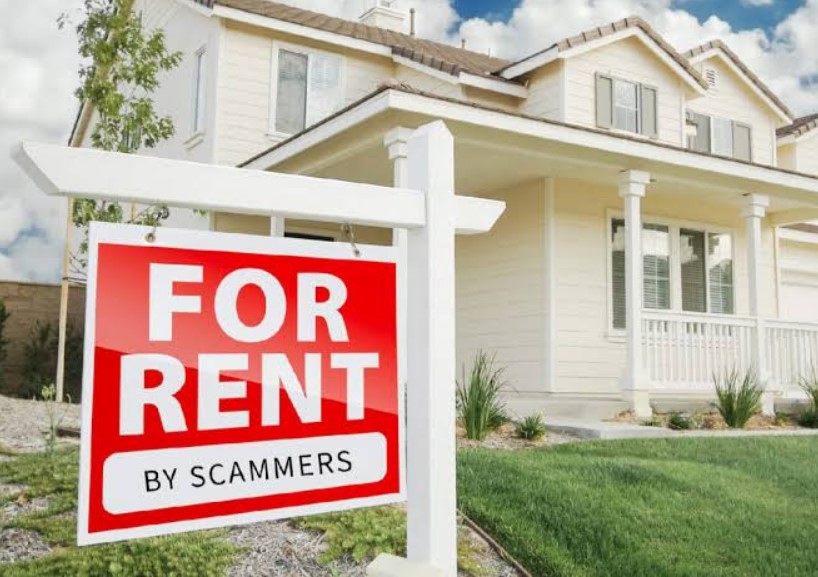
Finding a place to rent online looks simple these days, but that simplicity has opened the door for scammers to target renters and landlords alike. Students, seniors, and people moving to new cities are the most common victims, and the money lost to these schemes keeps rising every year. Recent data shows 12,368 complaints were filed in a single year, up sharply from 9,359 the year before, with total losses reaching $275,110,419 nationwide, a jump of nearly 58 percent from the previous year's $174 million. In one regional breakdown alone, 490 victims reported losing a combined $2,629,447, with one state accounting for 328 victims and over $2.2 million in losses by itself.
There are two common versions of this scam. In the first, a scammer copies photos and details from a genuine listing and reposts it elsewhere, often at a slightly lower price to make it more appealing. They pose as the landlord but claim to be out of town or otherwise unavailable to show the property in person. To push victims into acting quickly, they say someone else is already interested and that payment needs to be sent right away. Once the deposit is wired or paid through an app, the scammer disappears, the listing vanishes, and the renter is left with nothing when moving day arrives.
Read next: Who is calling from (369) 216-6437? Debt reduction calls explained
The second version targets landlords instead of renters. A scammer poses as an interested tenant, agrees on the rent, and sends a check that is either the exact deposit amount or deliberately more than needed. If it is overpaid, they ask the landlord to wire back the difference immediately. If it is the exact amount, they suddenly cancel the deal and demand an urgent refund. The problem is that the check is fake. Banks often make the funds available right away, but once the check bounces days later, the landlord is the one left covering the full loss.
These scams have become convincing enough to fool careful people. A graduate student once found what looked like a perfect furnished studio online listed at $1,800 a month, was pressured into wiring $5,280 before ever seeing the place, and showed up for the promised tour to find nobody there and no apartment waiting. In another case, a professional lost nearly $18,600 after touring what seemed like a completely legitimate unit, only to discover on move-in day that there were no keys and no real landlord to be found. Elsewhere, someone was caught posing as a landlord for years on a popular marketplace app, using stolen photos and fake listings to collect thousands of dollars from renters for properties they had no right to lease at all.
Read next: Is ShopVSB.com Legit? Vitamin Sea Boutique Review 2026
Certain warning signs show up again and again in these schemes. Be cautious if someone pressures you to pay quickly because others are supposedly interested. Be suspicious if the landlord cannot meet in person or show the property directly. Requests for payment through wire transfer, Zelle, Venmo, gift cards, or cryptocurrency are a major red flag, since this kind of payment is nearly impossible to reverse once sent. If the rent looks 20 percent or more below the going market rate for similar places nearby, that is often the bait. And if the same photos appear on multiple sites with different contact details attached, it is very likely a copied listing.
Landlords should watch for similar red flags. A tenant who wants to rent sight unseen, who sends a check for more than what was agreed, or who later asks for money to be wired to an account overseas should raise immediate suspicion.
Read next: The Credit Card Rate Scam That Wants Your Money First
There are simple steps that can protect both sides before any money changes hands. Running a listing's photos through a reverse image search often reveals whether they were stolen from another site. Searching the property address on public records can confirm who actually owns it. Comparing the rent against similar listings nearby can show whether the price is realistic. Insisting on an in-person tour, or at least a live video call rather than pre-recorded footage, adds another layer of safety. And no deposit or rent should ever be paid without a proper signed lease that includes the owner's real name and the property's address.
A newer and more troubling trend has also emerged. Scammers have started using AI-generated video avatars with real-time voice cloning to impersonate landlords convincingly during live video calls, making it harder than ever to tell a scam from a real interaction. This variant alone is estimated to have affected 4,200 victims across 14 metropolitan areas, resulting in roughly $89 million in stolen deposits, with an average loss per victim of about $21,190. A coordinated crackdown on this scheme led to seven arrests and the recovery of about $60 million in stolen funds. This shows how important it is to verify ownership independently rather than trusting a video call alone.
Anyone who suspects they have already been scammed should stop all contact with the scammer immediately and reach out to their bank or payment provider right away, since wire transfers can sometimes still be recalled within the first 24 to 72 hours. Saving every piece of evidence, including screenshots of the listing, messages, and payment receipts, is important for any follow-up. Reporting the scam to the platform where the listing appeared, filing a complaint with the relevant cybercrime or fraud reporting authority, and alerting the bank to monitor the account for further suspicious activity are all strongly advised next steps.
Staying alert, verifying ownership before paying anything, and trusting instincts when something feels rushed or too good to be true remain the best defenses against these scams. The Scam Exposed will continue tracking and exposing these schemes to help keep renters and landlords safe.
Recently Reported Scams
Think you've spotted a scam like this? Check it against our database or report it so we can warn others.
What Do You Think?
No one has commented yet. If this happened to you as well, say so below. Knowing that other people had the same call makes it far easier for the next person to trust their instincts.
Add Your Comment
Every comment is read by a person before it appears, so it will not show up straight away. Never post your phone number, address, or bank details here.