That Overpaid Check From a New Client Is a Trap
 ·
Published
·
15 min read
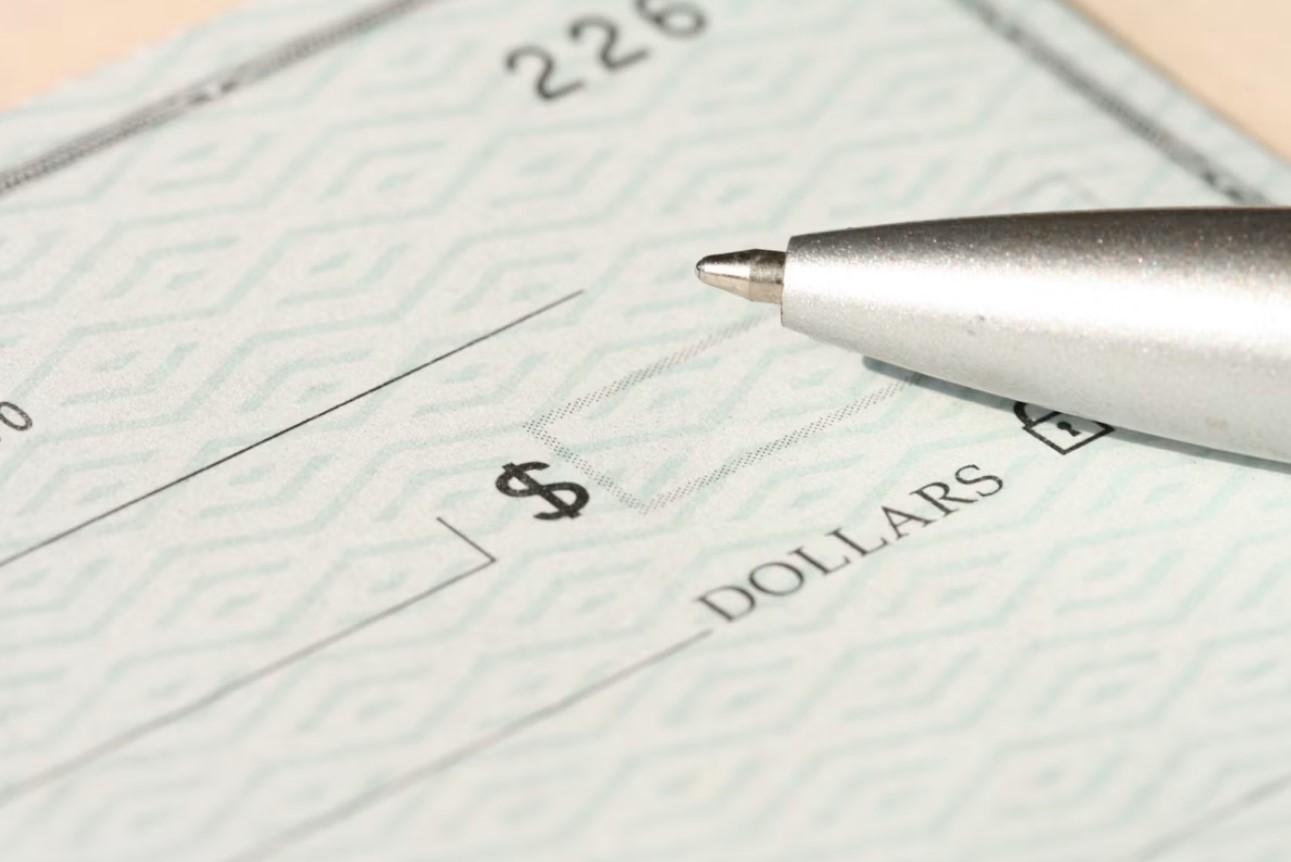
A new client finds you online, agrees to your price without haggling, and mails or emails you a check. Then the check is for more than you agreed, and the client asks you to send the extra back. This is the fake check scam, and it is built to take your money, not pay you for your work.
Fake check scams hit freelancers and small businesses hard: graphic designers, web designers, photographers, translators, tutors, pet sitters, musicians, video editors and small engineering firms. The pattern is the same every time. The scammer "pays" you with a check that will bounce, and convinces you to send real money somewhere else before it does.
Who this guide is for: Most of our readers are older Americans, and most of our guides are written for them. This one is a little different. It is written for freelancers, self-employed people and small business owners, including the many retirees who do consulting, tutoring, pet sitting, crafts or other side work. If you help a parent or grandparent with a small business, this guide is for you too. If you are looking for scams that target seniors in general, see our resources page.
Already deposited a check you now doubt? Do not send any money. Call your bank's fraud department using the number on the back of your debit card or on the bank's official website. Tell them you deposited a check you believe is fraudulent. If you already sent money, see what to do now.
Key takeaways
- If a client overpays with a check and asks you to send back the difference, it is a fake check scam. The FTC says so directly.
- Money showing in your account does not mean the check is good. Banks must release funds within days, but a fake check can take weeks to be discovered.
- When the check bounces, the bank takes back the full deposit. You still owe whatever you sent the scammer.
- Never print and mobile deposit an emailed photo or PDF of a check. Treat any check from someone you only know online as a red flag.
- You are the seller. You choose how you get paid. A client who will not use your payment method is a client to walk away from.
How the fake check scam works
The details change, but the scam almost always follows the same five steps.
- Step 1: The "perfect client" appears. A message arrives by email, a freelance platform, Instagram, Facebook or a contact form. The project sounds real: a logo, a website, a translation, a photo shoot, weekly tutoring. The client accepts your price fast.
- Step 2: They insist on paying by check. They say their accountant or company only pays by check. Sometimes they send a paper check by mail. Often they email a photo and ask you to print it and deposit it with your phone.
- Step 3: The check is for too much. The amount is higher than your quote. They call it a mistake, or say the extra is for a "vendor," "equipment supplier," "stylist" or "project manager" you need to pay.
- Step 4: The pressure to send money. They ask you to send the difference quickly, by Zelle, wire transfer, gift cards, crypto, Cash App or a money order, often to a different person or account.
- Step 5: The check bounces. Days or weeks later, the check comes back as fraudulent. Your bank reverses the full deposit. The money you sent is gone, and your account may now be negative.
A real example, in numbers
Here is how the math works against you. Say you quote $3,000 for a website.
The end result: you gave a scammer $1,200 of your own money, you were never paid for your work, and your bank may charge returned deposit fees on top.
How big is the fake check problem?
Fake check scams are not new, but they keep growing because they work. Here is what official data shows.
- High losses per victim. The FTC found the median loss from fake check scams was nearly $2,000, higher than any other top scam type it tracked at the time of its 2020 Data Spotlight.
- Reports kept rising. In the same report, the FTC said fake check complaints had risen 65% since 2015, with job offers and online sales behind most cases.
- Young adults are hit hard. People in their twenties were more than twice as likely as people 30 and older to report losing money to a fake check scam.
- Check fraud overall is surging. FinCEN, the US Treasury's financial crimes unit, received more than 15,400 reports tied to mail theft check fraud, covering over $688 million in suspicious activity, in just February to August 2023. That is older data, and it covers only a six month window, but it shows how large check fraud has become.
- Creative freelancers are a current target. In July 2026, the BBB warned photographers, videographers and graphic designers about fake clients posing as magazines and marketing firms who overpay and ask freelancers to pay a "stylist" or "agency."
Note: the FTC median loss and age figures come from its 2020 Data Spotlight, the most recent FTC report focused only on fake checks. The FinCEN figure covers all mail theft related check fraud, not only overpayment scams.
"But my bank accepted the check"
This is the part that catches smart, careful people. Federal rules under Regulation CC require banks to make deposited money available fast. Since July 1, 2025, the first $275 of a check deposit must be available by the next business day, and much of the rest within a couple of business days. Larger deposits can be held longer, but usually not more than about nine business days.
Making the money available is not the same as the check clearing. The bank that the check is drawn on can still reject it later. The FTC warns that fake checks can take weeks to uncover, and that they often look real, even to bank employees. When that happens, your bank reverses the deposit and you are responsible for the money.
The rule to remember: "Available" does not mean "cleared." Never send money from a deposited check to anyone you do not know and trust, no matter what your balance shows.
Why emailed check photos are always a red flag
A common version of this scam sends a picture or PDF of a check and asks you to print it and deposit it with your bank's mobile app. Mobile deposit is meant for the original paper check that was made out to you and is in your hands. Printing someone else's image of a check and depositing it is not how mobile deposit is meant to be used, and most bank agreements do not allow it. Check your own bank's mobile deposit terms if you are unsure.
Banks call this remote deposit, and depositing a printed copy of a check image is a common form of digital check fraud. If the deposit turns out to be fake, the bank can reverse it, and under its account agreement it can also restrict or close your account. That means a victim can lose the money they sent and lose their bank account too.
A real business client who wants to pay you has many simple options: ACH bank transfer, an invoice paid by card, PayPal business invoicing, Stripe, or a payment on the freelance platform where you met. A stranger who can only pay with an emailed check photo is not a real client.
Red flags of a fake check client
- They overpay. Any check for more than your price, followed by a request to send the difference, is the scam.
- They ask you to pay someone else. A "supplier," "printer," "stylist," "movers" or "project manager" you must pay from their check.
- They insist on a check. Especially an emailed photo of one, or a check from a company or person that has nothing to do with them.
- They agree too fast. No questions about your portfolio, no negotiation, no interest in the actual work.
- They avoid calls and video. They say they are hearing impaired, traveling, on an oil rig or overseas so they can only email or text.
- They rush you. They need the refund today, before "the check fully clears," because of a deadline or emergency.
- The details do not match. The name on the check, the email address and the company do not line up, or the grammar and contract details are off.
- They want gift cards, crypto, wire or Zelle. These are hard or impossible to reverse once sent.
Real client vs fake check scammer
| Situation | Real client | Scammer |
|---|---|---|
| Payment method | Uses your invoice, ACH, card or platform payment | Insists on a check, often an emailed photo |
| Amount | Pays what you invoiced | Sends more and asks for the difference back |
| Third parties | Pays their own vendors | Asks you to pay a "vendor" from their check |
| Contact | Happy to talk by phone or video | Email or text only, with an excuse |
| Interest in your work | Asks about scope, timeline and samples | Agrees instantly with few questions |
| Timing | Waits for normal payment terms | Pushes you to send money before the check clears |
A typical fake check message thread
The tell: a check you did not ask for, for more than your price, and a rush to send money to someone else.
How to get paid safely as a freelancer
You are the seller, so you set the payment terms. Decide on your methods in advance and stick to them.
- Choose payment methods you control. Invoices paid by ACH or card through a known payment processor, PayPal or Stripe business invoicing, or payments inside a freelance platform's escrow.
- Take a deposit before you start. A real client will pay a deposit of 25% to 50% through your normal method. A scammer usually will not.
- Do not accept checks from people you only know online. If you do accept a check from a client, never send any of that money to anyone until your bank confirms the check has finally been paid by the issuing bank, which can take weeks.
- Never refund an overpayment from a check. If a real client truly overpays, return the original check and ask for a correct payment instead.
- Never pay a client's vendors. Paying third parties is the client's job, not yours.
- Verify the client. Look up the company, its website and its phone number on your own. Ask for a short video call.
- Walk away from clients who will not use your terms. Losing one fake job costs you nothing. Losing your savings costs a lot.
If you deposited the check but have not sent money
- Stop. Do not send any money, gift cards or crypto, even if the client threatens or begs.
- Call your bank's fraud department. Use the number on the back of your card or the bank's official website. Tell them you think the check is fake.
- Ask the bank to check it with the issuing bank. They may hold the funds or freeze the account while they investigate. This is normal and protects you.
- Do not spend the deposited money. Expect the full amount to be reversed if the check is fraudulent.
- Save everything. Keep the emails, messages, check image, envelope and any contracts.
- Stop replying to the scammer. Do not tell them you know. Just stop.
If you already sent money to the scammer
Act fast. Recovery is never guaranteed, but some payments can be stopped if you move quickly.
- Call your bank right away. Report the fraud and ask if the transfer can be stopped or recalled. For Zelle or a bank wire, every minute matters.
- Wire transfer through MoneyGram or Western Union: call the company immediately and ask for a reversal.
- Gift cards: contact the gift card company, tell them the cards were used in a scam and ask for a refund. Keep the cards and receipts.
- Money order: ask the issuer to stop payment. If it was mailed, contact the US Postal Inspection Service.
- Cryptocurrency: contact the exchange or app you used and report the fraud.
- Report to the FTC at ReportFraud.ftc.gov and to the FBI at IC3.gov.
- Report it where you met the scammer. Flag the profile on the freelance platform, social network or email provider.
- Contact your state Attorney General to report the scam.
- If you are 60 or older, the National Elder Fraud Hotline is free at 1-833-372-8311.
You can also report the scammer to our database or look up their phone number to see if others reported it. More tips are on our resources page.
Watch out for recovery scams. After you lose money, you may be contacted by "recovery agents" or "lawyers" who promise to get it back for a fee. Real government agencies and banks do not charge you to recover scam losses. Anyone who asks for money up front to recover your money is running a second scam.
Frequently asked questions
What is a fake check scam?
It is a scam where someone sends you a check, often for more than they owe, and asks you to send part of the money back or to someone else. The check later bounces, the bank takes the full amount back, and you lose whatever you sent.
Can a check bounce after the money is in my account?
Yes. Banks must make deposited funds available within a few business days, but a fake check can be discovered weeks later. When that happens, the bank reverses the deposit and you are responsible for the money.
Is it safe to accept a check from an online client?
It is risky. Treat any check from someone you only know online as a red flag, and never send money from it to anyone. Use invoices, ACH, card payments or platform escrow instead.
Can I mobile deposit a printed photo of a check someone emailed me?
You should not. Mobile deposit is meant for the original paper check made out to you. An emailed check photo from a stranger is a common sign of a fake check scam. Check your bank's mobile deposit terms if you are unsure.
Will I have to repay the bank if the check was fake?
Usually, yes. If the deposit is reversed and your balance goes negative, the bank will expect you to bring the account back up to zero. Talk to your bank's fraud team about your options.
A client overpaid me by mistake. How do I handle it safely?
Do not send back the difference. Return the original payment and ask the client to pay the correct amount through your normal invoice or payment method. A real client will understand.
Where do I report a fake check scam?
Report it to your bank, to the FTC at ReportFraud.ftc.gov, to the FBI at IC3.gov, and to the platform where you met the scammer. If the check came by mail, you can also report it to the US Postal Inspection Service.
How we researched this article
This guide is based on FTC consumer guidance on fake check scams, the FTC's 2020 Data Spotlight on fake checks, FinCEN data on mail theft related check fraud from 2023 as reported by Federal News Network, July 2025 Regulation CC funds availability thresholds as published by a federally insured credit union, and BBB warnings to creative freelancers from July 2026. The $3,000 example and the message thread are illustrations built from common reports, not a specific case. The Scam Exposed is an independent educational platform. We are not a government agency, law enforcement body, or legal advisors. Consult official channels for legal recourse. Last reviewed October 18, 2026 by Nitesh Kumar Gupta, Founder and Editor.
Read next on this topic
 Is DarkComet Still a Threat in 2026? What US Users Should KnowRead guide →
 The "Easy Online Job" on Telegram That Ends With You Paying in CryptoRead guide →
 Is That Really Social Security Calling? How to Spot Impersonation Scam CallsRead guide →
 Toll-Free Scam Numbers Reported Most in 2026Read guide →
 Debt Relief Scam Call Numbers to Watch Out ForRead guide →
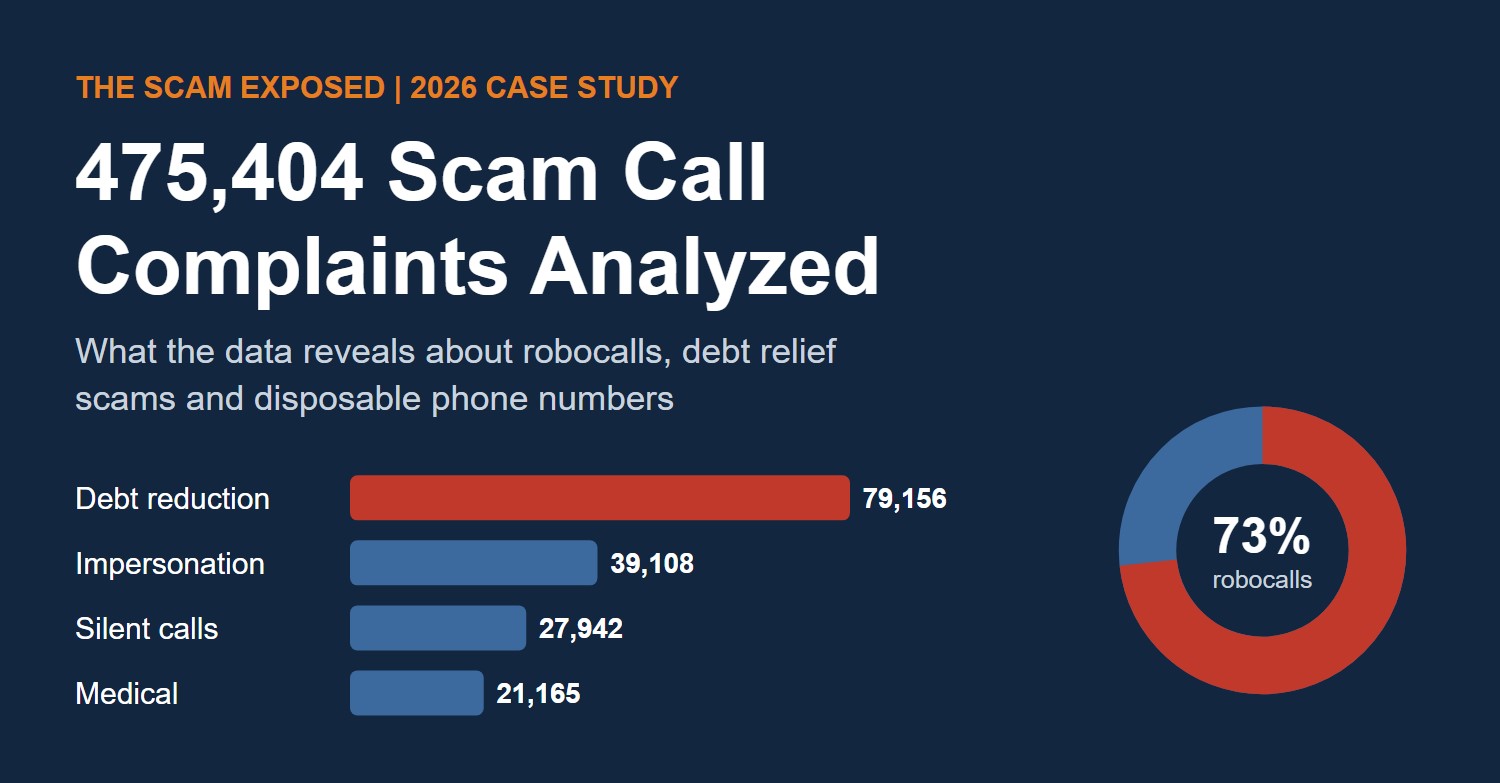 Scam Call Statistics 2026 From 475,000 Real ComplaintsRead guide →
Share Your Experience
No one has commented yet. If this happened to you as well, say so below. Knowing that other people had the same call makes it far easier for the next person to trust their instincts.
Add Your Comment
Every comment is read by a person before it appears, so it will not show up straight away. Never post your phone number, address, or bank details here.